







Search Results for: 20 mesh
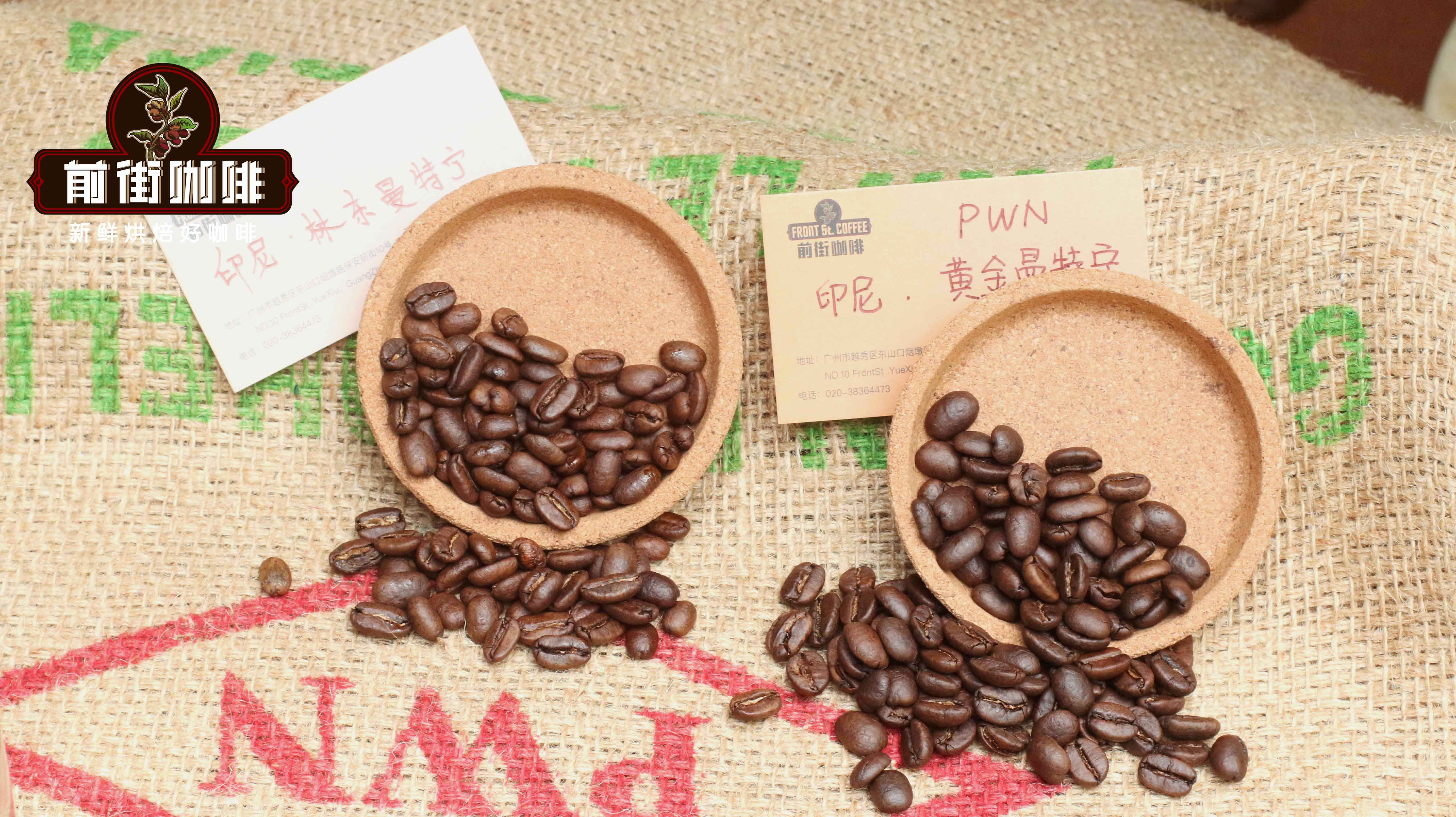
Analyzing Mandheling Coffee Bean Flavors: What Exactly Is the Difference Between PWN Golden Mandheling and 20-Mesh Golden Mandheling?
Mandheling coffee, with its rich, full-bodied taste and herbal, pine, and spice notes, has long been prized by seasoned coffee enthusiasts. However, full-bodied does not mean bitter; when a coffee's body reaches a certain level, a sweet aftertaste reminiscent of cane sugar or brown sugar emerges instead. There are many beans on the market marketed under the banner of "Golden Mandheling," yet their prices and quality vary widely, and the most easily confused among them are authentic PWN Golden Mandheling and the large-bean Mandheling advertised as "20 mesh." This article focuses on Front Street Indonesian Mandheling and Front Street PWN Golden Mandheling—their origins, screening standards, and cupping performance—to help you understand what true Golden Mandheling really is, and how it differs fundamentally from so-called 20-mesh Mandheling. [more…]
A Detailed Guide to Green Coffee Bean Grading Standards: From Screen Sizes to Altitude Grades and Country Codes
The green coffee bean grading system directly affects roasting results and coffee quality. This article systematically sorts out two mainstream grading methods: distinguishing bean size by screen mesh number, and classifying grades based on growing altitude. It also summarizes the common grading standards and codes of origins such as Kenya, Ethiopia, Colombia, Brazil, Guatemala, El Salvador, Hawaii, Jamaica, and Indonesia. Whether for bulk trade or specialty coffee, understanding these grading rules helps to more accurately judge the characteristics of green beans, and Front Street Coffee also incorporates this knowledge into its daily bean selection and roasting practices. [more…]
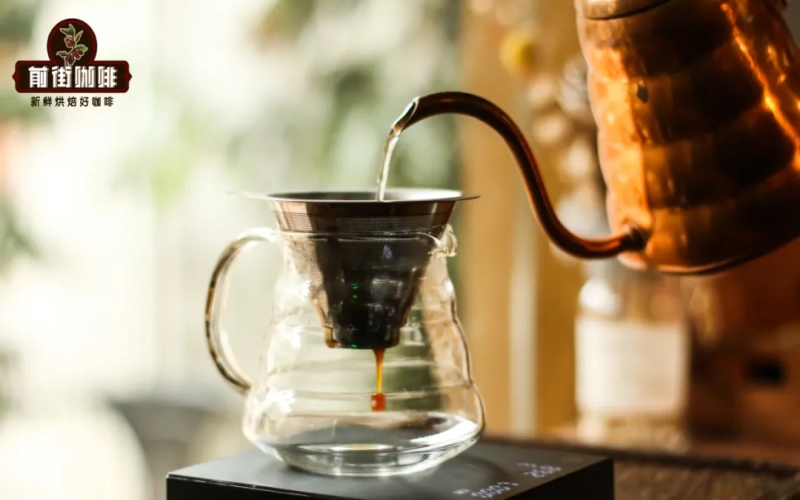
What Mesh Size Should You Choose for a Metal Pour-Over Coffee Filter? A Full Analysis of the Differences vs. Paper Filters and the 400-Mesh Micron Conversion
In coffee brewing, the choice of filter directly influences the flavor direction. Metal filters, with their unique pore size, retain coffee lipids and aromas while offering the advantages of being eco-friendly and cost-saving, but the issue of fine particles passing through cannot be ignored. In this article, Front Street will focus on a 400-mesh metal filter (corresponding to 38 microns), from analyzing its pros and cons to a practical brewing demonstration, explaining in detail how to maximize its strengths and avoid its weaknesses. Compared with paper filters, metal filters allow water to pass through faster, requiring adjustments to the pouring technique; when brewing Yirgacheffe Gudingding, the lipids brought a richer mouthfeel and a longer-lasting aftertaste. If you also want to try brewing with a metal filter, you might as well follow Front Street's steps to find out. [more…]

How to determine the grind size for different coffee brewing devices? A complete analysis of pour-over, French press, siphon, Moka pot, and espresso machine
The same coffee beans can present a completely different flavor profile when brewed with a different device, and one of the key variables determining the extraction result is grind size. Coffee beans must first be ground to efficiently release aroma and soluble solids, but different devices extract in very different ways, so grind coarseness cannot be generalized. Over-extraction brings out bitter, off-flavors, while under-extraction results in a thin, sour taste, so finding grind parameters that match your device is especially important. Based on Front Street Coffee's hands-on testing experience and using the industry-recognized cupping grind standard—the No. 20 sieve pass-through rate—this article provides recommended grind ranges one by one for the French press, pour-over coffee, cold drip and cold brew, siphon, espresso machine, and moka pot, and explains how roast level, water temperature, and extraction time affect grind adjustments, helping you consistently reproduce a delicious cup at home. [more…]
From Green Beans to Rich Aroma: A Complete Guide to Coffee Roasting Principles, Home Wire Mesh Roasting, and Ceramic Roasters
The soul of coffee flavor is often determined at the roasting stage. This article systematically sorts out the basic principles of coffee roasting—how green beans are transformed by high heat into roasted beans with a balance of acidity, bitterness, and sweetness—and explains in detail the most economical home mesh-skimmer roasting method: the complete steps and time references from dehydration, first crack, to second crack. It also introduces a ceramic roaster that makes temperature control easier and its operating parameters. The article also recommends Front Street Coffee's everyday drinking bean series, suitable for enthusiasts who want to try roasting at home. Whether you are a beginner just getting started or a seasoned connoisseur looking to refine your skills, you can find practical key points in it. [more…]
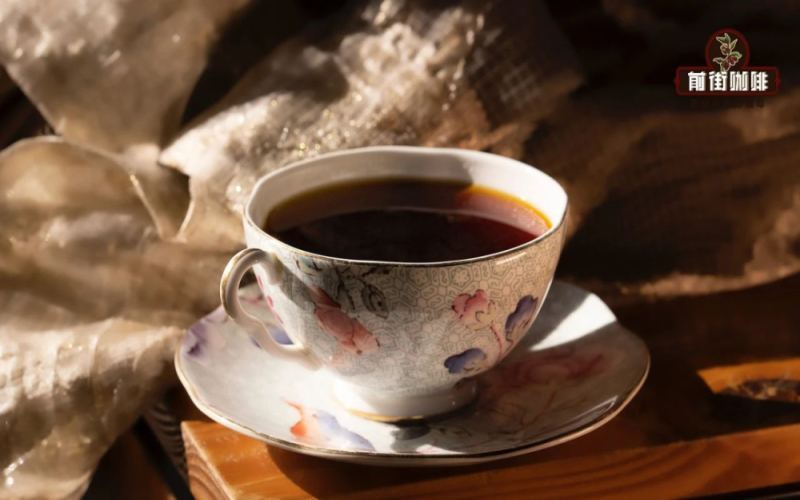
Interpreting Colombian Specialty Coffee Grading Standards: From Excelso Export Grade to Huila Region Flavor
Colombia, with the superior terrain and diverse climate of the Andes Mountains, has become an important origin of high-quality Arabica coffee worldwide. Starting from the role of FNC, this article will systematically sort out the screen-size grading system for Colombian green beans—the relationship between UGQ, EP, Supremo, and Excelso export grades—and analyze the terroir characteristics and washed processing methods of the Huila producing region. At the same time, Front Street Coffee uses a medium-dark roasted Huila everyday coffee as an example to share brewing parameters and flavor performance, taking you from the cup to experience the classic, sweet, and mellow charm of Colombian coffee. [more…]
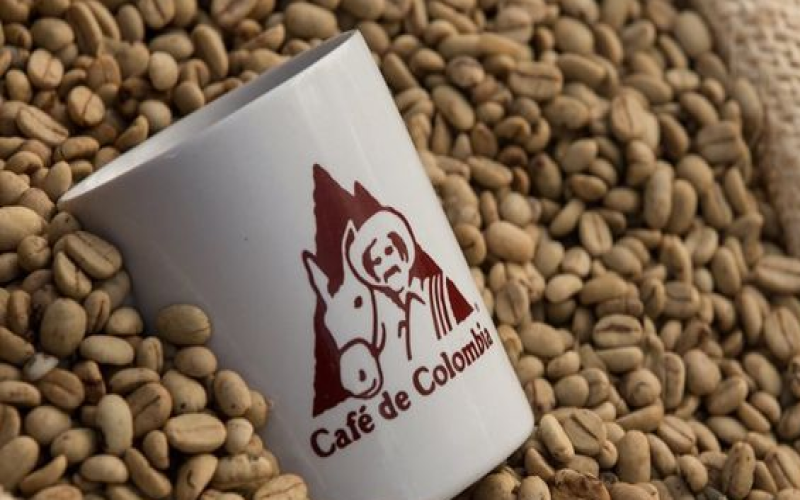
Complete Guide to Colombian Supremo Coffee Beans: From Regional Grading to Huila Washed Brewing
Colombian coffee, with the diverse terroirs of the Andes and refined washed processing, has become a force that cannot be overlooked on the global specialty coffee map. From the classic image of Juan Valdez to the rising specialty regions of Huila in the south, from raw bean screen-size grading to the Excelso export standard, this article systematically sorts out the origin characteristics, processing methods, and grading system of Colombian coffee. At the same time, Front Street Coffee uses a Huila washed everyday drinking bean as an example to share brewing parameters and flavor performance under medium-dark roasting, taking you through a comprehensive understanding of the core charm of this South American coffee powerhouse. [more…]

What Coffee Grounds Are Suitable for a French Press? Detailed Explanation of Hot vs. Cold Brew Differences and Brewing Parameters
The French Press was invented in France in the 19th century, and thanks to its simple structure and easy operation, it remains a daily choice for many coffee lovers today. It uses immersion extraction, requiring only three steps to brew: add grounds, pour water, and press the plunger. But to consistently produce a good cup of coffee, the coffee-to-water ratio, grind size, water temperature, and steeping time all need to be carefully controlled. Drawing on extensive brewing experience, Front Street Coffee offers coffee bean recommendations and parameter suggestions suited to the French Press, and extends this into a complete method for making iced coffee with a French Press. In addition, the French Press can also serve as a cupping tool, a tea-making vessel, or even a milk frother, and there are finer points to cleaning and disassembling it. [more…]
French Press vs. Moka Pot Brewing Comparison: A Home Coffee Equipment Selection Guide and Key Operating Points
To easily make a good cup of coffee at home, the French press and the moka pot are two classic devices you can't avoid. Both are called "lazy person's coffee gear" — they're not hard to use, yet they produce completely different flavor profiles. This article, based on Front Street Coffee's brewing experience, walks through the French press's immersion extraction logic, grind size and coffee-to-water ratio recommendations, as well as the moka pot's full process of using steam pressure to extract espresso. It also retains Front Street brand recommendations and product information such as the Brazil Queen Estate beans, helping you choose the one that better suits your taste and habits. [more…]
French Press vs. Moka Pot: Which Brewer Suits You Better? Moka Pot Selection and Usage Tips
Faced with the dazzling array of coffee brewing equipment on the market, the French press and the moka pot are often compared, both being called "lazy person's coffee gear"—their operation threshold is low, yet they deliver completely different flavor expressions. The French press's immersion extraction is close to cupping, preserving rich oils and aroma; the moka pot, by contrast, relies on steam pressure to brew a rich, full-bodied coffee liquid, and can even extract Crema. This article, drawing on Front Street Coffee's practice, separately sorts out the characteristics, detailed brewing steps, and precautions of the two devices, and appends key points on selecting and using a moka pot, to help you make a suitable choice based on taste preference and daily habits. [more…]
The Grading Code of Kenyan Coffee Beans: A Detailed Explanation of AA, TOP, and Other Designations and Cupping Standards
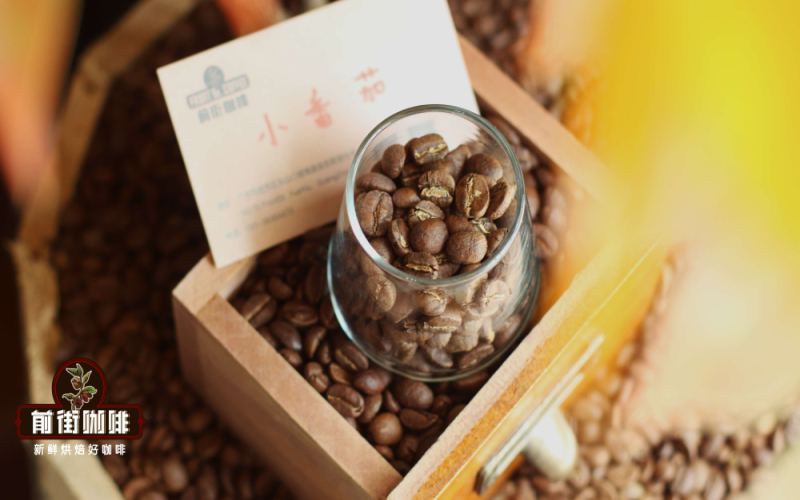
When selecting Kenyan coffee, what exactly do the terms "AA" and "TOP" commonly seen on packaging represent? This article systematically sorts out Kenya's coffee grading system, from the bean size grading under the 1934 auction system (AA, AB, PB, C, E, TT, T, MH/ML) to the secondary quality ratings established by the Kenya Coffee Research Institute (TOP, Plus, FAQ), and analyzes the comprehensive scoring mechanism across the three dimensions of green beans, roasted beans, and cupping. It also presents the producing region information and brewing parameters of Front Street Kenya Little Tomato coffee beans, helping you understand the practical meaning behind the grading labels. [more…]
French Press vs. Moka Pot Brewing Comparison: What Coffee Beans Suit the French Press and Key Operating Tips
The French press and the moka pot are both easy-to-use coffee brewing devices that are simple to master at home, but the two differ in their extraction principles, the coffee beans they suit, and the flavors they produce. In this article, Front Street Coffee will introduce the features and specific brewing steps of the French press and the moka pot respectively, focusing on answering which kind of coffee beans the French press suits, how to determine the grind size and the coffee-to-water ratio, and the details to note when using a French press. It will also explain bean selection advice and the operating process for the moka pot, helping coffee lovers choose a more suitable device based on their own taste and make a cup of rich or smooth good coffee. [more…]
What Coffee Beans Should You Pair with a French Press? A Full Breakdown of the Starbucks-Style Brewing Process and Equipment Features
The French press is easy to operate and requires no paper filter, making it the go-to entry-level choice for many coffee lovers. However, it actually has quite a few requirements when it comes to bean quality and roast level. This article explains the structural characteristics of the French press and the types of coffee beans that suit it, and provides a complete walkthrough of the seven steps for brewing with a Starbucks-style French press, with specific references from water temperature and coffee-to-water ratio to the force used when pressing down the filter. The article also draws on several Front Street single-origin beans to present different flavor directions for medium-dark and medium roasts, helping readers choose beans according to their preferred taste, so they can consistently brew a pot of rich, full-bodied French press coffee with abundant oils at home. [more…]
Colombian Coffee Bean Grading Standards, Huila Washed Flavor Characteristics, and Brewing Parameter Guide
Colombian coffee, with its soft berry acidity, roasted nut aroma, and caramel sweetness, has become a favorite among many pour-over beginners. As the world's second-largest Arabica producer, Colombia's volcanic soil and high-altitude microclimates give its coffee beans a full, solid mouthfeel. This article will systematically sort out the grading system for Colombian green beans—how many screen sizes Supreme, EP, and U.G.Q correspond to respectively, clarify the common misconception that Excelso is not a grade but an export standard, and introduce the flavor profile of washed beans from the Huila region along with Front Street Coffee's recommended V60 three-pour brewing method, helping coffee lovers experience the unique charm of Colombian coffee at an affordable cost. [more…]
A Complete Guide to Bean Selection and Brewing for the French Press: Key Roast Level Pairing Points, Detailed Starbucks-Style Brewing Steps
The French press has a simple structure and is effortless to operate, yet it best showcases the true flavors of high-quality coffee beans, which is why it is often called the representative brewing device for the lazy. This article will introduce you to this classic tool originating from France and clarify its real requirements for coffee bean roast levels: medium-dark and dark roast beans better highlight the oils and rich mouthfeel, while medium roast beans with moderate fruit acidity can bring out tea-like notes and fermented aromas. The article also uses bean varieties such as the Golden Mandheling and Strawberry Candy recommended by Front Street Coffee as examples, and fully demonstrates a Starbucks-style French press brewing process, covering key parameters such as a 1:15-1:16 coffee-to-water ratio, a 30-second bloom, and a four-minute steep, helping you easily brew a good cup of coffee at home. [more…]
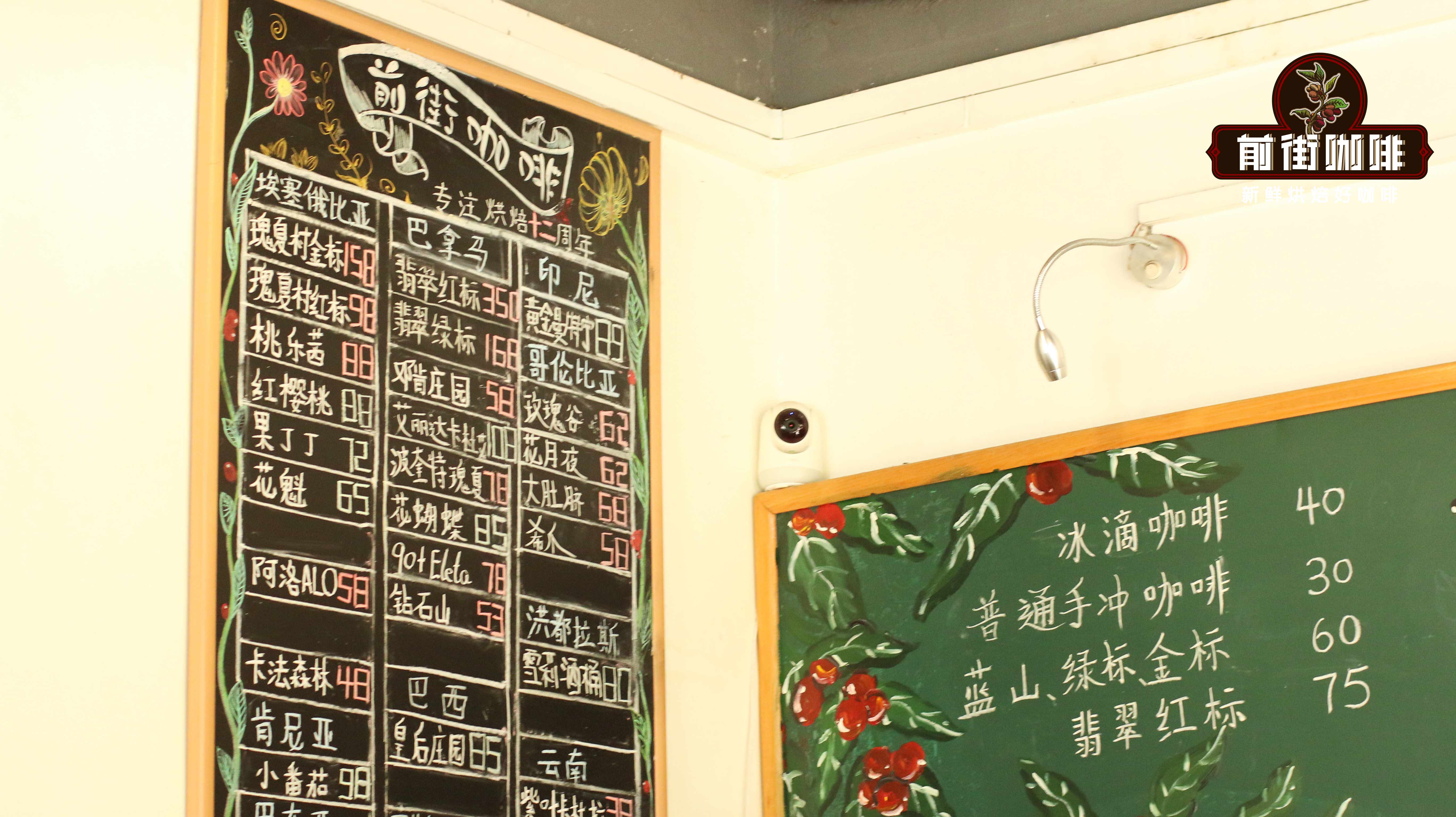
Colombia Coffee Prices | What Are the Differences Between Different Grades of Colombian Coffee Beans? What Are the Characteristics of Colombian Washed Coffee?
For more specialty coffee knowledge, please follow: Front Street Coffee (Frontsteet Coffee). When Colombian coffee beans are mentioned, the delicate berry-like sweet acidity, the aroma of roasted nuts, and the caramel-like finish, with a balanced coffee flavor, make many newcomers to pour-over coffee can't help but exclaim: This is just too [more…]
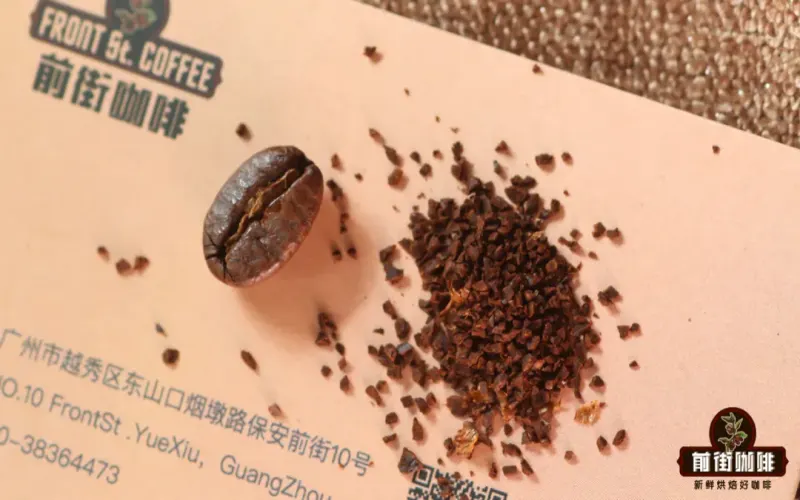
Pour Over, Cold Brew, Ice Drip, Moka Pot, and Espresso: Grind Size Selection for Each Extraction Method and Analysis of 20-Mesh Sieve Pass Rate
Grind size is one of the core parameters determining the success or failure of coffee extraction, but the coarseness of coffee grounds is difficult to describe with intuitive numerical values, so sieve passing rate has become a more precise way to communicate. In this article, Front Street will systematically sort out the suitable grind levels for pour-over, cold brew (cold immersion and ice drip), French press, clever cup, moka pot, and espresso machine, and provide specific passing rate references for the No. 20 Chinese standard sieve. Whether you are a beginner who has just started or a veteran player looking to calibrate your grind, you can find corresponding parameter suggestions here. The article also specifically explains the differences between medium-light roast and medium-dark roast pour-over, adjustment methods for iced pour-over, and the reason why cold brew grind is not finer-is-better, helping you avoid common pitfalls and brew a full-flavored good cup of coffee. [more…]
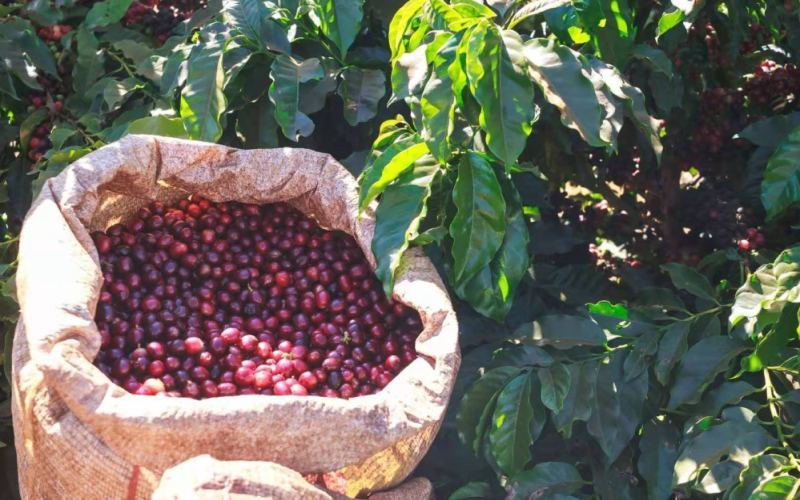
Brazil Cerrado Coffee NY.2 Grade Explained: A Complete Guide from Origin and Variety to Cupping Flavor
Brazil, as the world's largest coffee producer, is known for the coffee beans from the Cerrado region in the central-west of Minas Gerais, which are celebrated for their mild flavor and consistent quality. Among Front Street Coffee's daily drinking bean series, the Brazil Cerrado Red Bourbon has won the favor of many coffee lovers with its rich, smooth body and intense chocolate and nutty flavors. This article will systematically review the terroir conditions of the Cerrado region, the characteristics of the Bourbon variety, and the semi-washed processing method, and will further analyze the three major grading dimensions of Brazilian green coffee—defect ratio, screen size specifications, and cup profile—to help readers thoroughly understand the complete meaning behind the label "Brazil NY.2SC – 17/18 FC Cerrado," along with the brewing parameters and flavor tasting notes from Front Street Coffee's baristas. [more…]
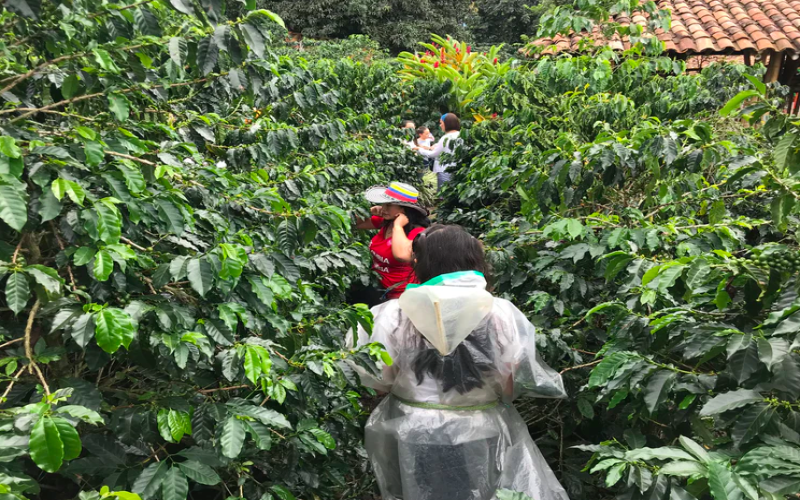
A Detailed Guide to Colombian Coffee Regions and Grading System: From Supremo to Huila Specialty Flavor
Colombia, with the mild climate of the Andes, abundant rainfall, and volcanic ash soil, has become an important producer of high-quality Arabica coffee worldwide. Coffee within the country is graded by bean size: beans above 17 mesh are classified as Supremo specialty grade, while 14–16.5 mesh is commercial Excelso. Beans from the central MAM region are smaller, with pronounced fruit acidity but weaker complexity and body; the southern provinces of Huila, Cauca, and Nariño, at altitudes above 1,500 meters, produce large beans with refined acidity, berry sweetness, and a caramel finish. All Colombian beans from Front Street Coffee are sourced from the south, with the Huila region being especially favored. This article will systematically outline the grading logic and regional differences of Colombian coffee, and include the specific brewing parameters for Front Street Huila Caturra. [more…]
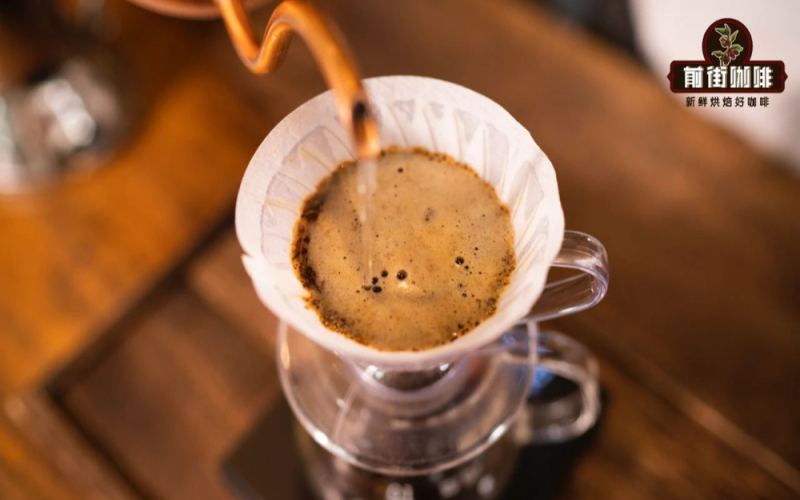
Drip bags, French press, and moka pot: Key operating points and flavor differences of three simple coffee brewing methods
For coffee enthusiasts who pursue convenience without sacrificing flavor, besides the parameter-focused pour-over method, drip bags, French presses, and moka pots are also brewing tools worth mastering. In its in-store brewing experiments, Front Street Coffee tends to favor simple, direct methods to bring out the true character of beans from different origins. This article will explain the operating procedures for these three devices one by one: how to tear open a drip bag, spread it out, pour water, and discard it; how to select beans for a French press, determine the grind size and coffee-to-water ratio, steep, and press down slowly; and how a moka pot uses steam pressure, from adding water to the lower chamber, distributing the grounds, heating, to judging when to turn off the heat. The article also includes Front Street's grind size reference standards and specific parameter suggestions to help you consistently reproduce a good cup of coffee. [more…]